

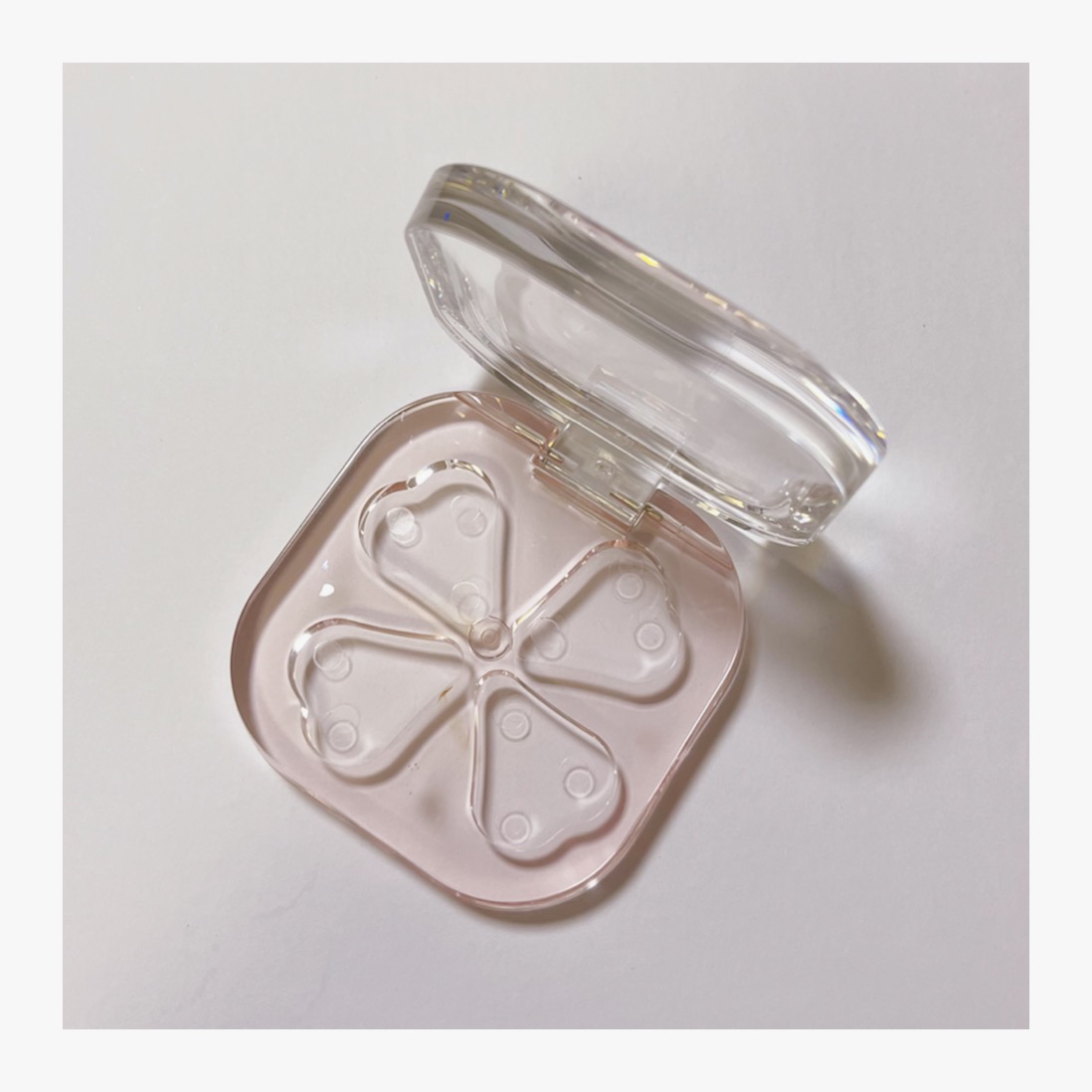
Bright neon plastic covers are widely used in consumer products, protective packaging, promotional displays,
electronic housings, cosmetic cases, toy shells, storage boxes, and custom retail items. Their vivid appearance
helps products stand out instantly, but neon color performance can be difficult to maintain over time.
Exposure to light, heat, moisture, chemicals, friction, and poor processing conditions can cause fading,
dulling, yellowing, surface whitening, or uneven color shift.
This guide explains how to maintain color on bright neon plastic covers in a practical,
SEO-friendly, and industry-focused way. It covers the definition of neon plastic covers, key color stability
factors, material choices, production methods, surface protection, storage conditions, testing standards,
and maintenance strategies. The content is designed for blog pages, catalog pages, category pages, and
industry landing pages, and it can be inserted directly into the middle section of an HTML webpage.
Bright neon plastic covers are molded or formed plastic shells, lids, panels, or housings that use highly
saturated fluorescent or neon-inspired colors. These colors are often chosen for their strong visual impact,
high brand visibility, and ability to attract attention in retail or industrial environments.
Common neon color tones include neon yellow, neon green, neon orange, neon pink, neon blue, and neon red.
These shades are often brighter than standard solid colors and may include fluorescent pigments, Transparent
tinting, or special masterbatch formulations.
Because neon colors are visually intense, even SMALL changes in shade can be easy to notice. That is why
color retention is a major quality concern for any plastic case, plastic cover, or custom
molded part using neon finishes.
Color maintenance affects product appearance, brand consistency, customer satisfaction, and long-term market
value. A bright neon cover that fades too quickly may look old, low quality, or mismatched with other parts.
In retail products, this can reduce shelf appeal. In industrial products, it can affect identification and
visual safety cues.
Key reasons to focus on neon plastic color stability include:
Several environmental and manufacturing factors can reduce the brightness of neon plastic covers. Understanding
these causes is the first step toward better color retention.
| Cause | Effect on Neon Plastic Color | Typical Risk Level |
|---|---|---|
| UV exposure | Fading, yellowing, pigment breakdown, gloss loss | High |
| Heat exposure | Color shift, thermal degradation, warping, uneven shade | High |
| Moisture and humidity | Surface dulling, hydrolysis in some plastics, printing damage | Medium |
| Chemical contact | Staining, softening, discoloration, surface attack | High |
| Abrasion and friction | Scratches, whitening, visible wear, loss of gloss | Medium to High |
| Poor resin selection | Poor pigment bonding, unstable color base, inconsistent finish | High |
| Incorrect processing | Burn marks, flow lines, uneven dispersion, shade variation | High |
| Long-term storage issues | Slow fading, dust buildup, surface oxidation | Medium |
Color performance begins with the base material. Different polymers respond differently to pigment loading,
UV exposure, heat, and surface wear. The right resin choice can greatly improve the ability of a plastic case
to maintain neon color.
| Plastic Material | Color Retention Performance | Notes |
|---|---|---|
| ABS | Good | Common for cases and housings; strong colorability and good surface finish |
| PC | Very good | High clarity and toughness; often used where impact resistance is needed |
| PP | Good | lightweight and economical; may need stabilization for UV exposure |
| PE | Moderate | Flexible and durable but can be harder to keep highly vivid |
| PVC | Moderate to good | Color options are broad, but formulation quality is important |
| PMMA | Very good | Excellent clarity and gloss; suitable for bright visual effects |
| PA | Moderate | Strong but moisture sensitive; color stability depends on formulation |
Maintaining neon color on a plastic case requires a combination of formulation, processing control, surface
protection, and environmental management. No single method is enough on its own. The best results come from
a system approach.
Neon colors are especially sensitive to UV light. Pigments and masterbatch systems should be selected for
excellent light fastness and thermal stability. Fluorescent pigments may create the desired bright effect,
but they often need additional stabilization to reduce fading.
A good neon color system typically uses:
Too little pigment leads to weak brightness and poor visual impact. Too much pigment can reduce mechanical
performance, increase cost, or cause processing problems. The correct pigment concentration helps maintain
consistent neon color while preserving the integrity of the plastic cover.
Processing conditions strongly affect final color appearance. Overheating can darken pigments or cause surface
burn marks. Poor mixing can create streaks, specks, or shade inconsistency. Uneven mold temperature can lead
to visible color variation.
Key process controls include:
UV radiation is one of the biggest threats to neon plastic color. For outdoor use or high-light indoor use,
UV protection is essential. This can be achieved through UV stabilizers in the resin, protective coatings,
or opaque/filled formulations that reduce light penetration.
The surface of a neon plastic cover is the first line of defense against wear. A protective clear coat,
hard coating, or scratch-resistant finish can help preserve brightness by reducing micro-abrasion and
oxidation.
Surface protection benefits include:
Many cleaners, solvents, oils, and industrial chemicals can weaken the surface of a plastic case and alter
its color. Even mild contact with unsuitable cleaning agents can cause clouding or discoloration on bright
neon covers.
It is best to use plastic-safe cleaning solutions and to avoid prolonged contact with alcohols, strong
solvents, or aggressive detergents unless the material has been tested for compatibility.
Storage conditions influence how well a neon plastic cover maintains its original appearance before and after
use. Stable temperature, low UV exposure, clean packaging, and dry conditions all support better color
preservation.
| Storage Factor | Recommended Condition | Benefit for Color Maintenance |
|---|---|---|
| Light exposure | Avoid direct sunlight and strong artificial UV | Reduces fading |
| Temperature | Stable, moderate temperature | Limits heat degradation |
| Humidity | Dry or controlled humidity | Prevents moisture damage |
| Packaging | Dust-free, non-reactive packaging | Protects surface gloss |
| Stacking pressure | Avoid heavy compression | Prevents deformation and surface marks |
Surface finish has a strong impact on how neon color appears and how long it stays visually attractive.
Glossy surfaces usually make neon colors look brighter and more saturated, while matte surfaces may soften
the appearance and hide fingerprints.
| Surface Finish | Visual Effect | Color Maintenance Advantage |
|---|---|---|
| High gloss | Bright, reflective, vivid | Enhances neon intensity but may show scratches more easily |
| Matte | Softer, low reflection | Hides minor marks but may reduce color brilliance |
| Satin | Balanced appearance | Good compromise between gloss and durability |
| Textured | Decorative, practical grip | Can conceal wear and fingerprints |
Color stability should be verified through testing rather than assumed. Reliable product development often
includes exposure tests, accelerated aging tests, and visual comparison against a reference sample.
| Test Type | Purpose | What It Reveals |
|---|---|---|
| UV aging test | Simulate long-term sunlight exposure | Fading resistance and pigment durability |
| Heat aging test | Check thermal resistance | Color shift and material degradation |
| Humidity test | Evaluate moisture effects | Surface clouding or hydrolysis risk |
| Rub test | Assess abrasion resistance | Whether the surface loses gloss or color on contact |
| Chemical resistance test | Measure compatibility with cleaners and solvents | Staining, softening, or finish damage |
| Color difference analysis | Quantify shade changes | Consistency across batches and aging cycles |
When color is properly maintained, neon plastic covers deliver both visual and functional value. A stable
color system supports product quality and market positioning across many industries.
The following table provides a general specification reference for bright neon plastic covers. Actual values
vary based on resin type, product design, color target, and end-use environment.
| Specification Item | Typical Range / Option | Remarks |
|---|---|---|
| Material | ABS, PC, PP, PMMA, PVC, PE | Selected based on strength, transparency, and color goals |
| Color type | Neon yellow, neon green, neon pink, neon orange, neon blue | Fluorescent or high-saturation effect |
| Surface finish | Glossy, matte, satin, textured | Influences brightness and wear visibility |
| Color matching | Custom standard or sample match | Important for batch consistency |
| UV resistance | Standard to high | Should be defined by use environment |
| Heat resistance | Depends on resin and additives | Critical for processing and storage |
| Scratch resistance | Standard, enhanced, or coated | Important for visible surfaces |
| Application | Cases, covers, lids, shells, housings | Used across consumer and industrial products |
Color retention can be improved at the design stage. Product designers should think about the intended usage
environment, expected lifespan, and cleaning routine before finalizing the plastic case specification.
Even the best neon plastic cover can lose color quality if it is not cared for properly. End users can help
preserve appearance by following simple maintenance practices.
Neon and fluorescent colors often rely on pigments that are more sensitive to UV light and environmental
exposure. As a result, they may lose intensity faster than basic opaque colors unless proper stabilizers
and protective measures are used.
Yes, but outdoor use requires stronger UV resistance, heat stability, and possibly protective coatings.
The final performance depends on the resin system, pigment quality, and exposure duration.
Glossy finishes can make neon colors appear brighter and more vivid, but they may also show scratches more
easily. A high-quality coating or abrasion-resistant surface can improve long-term appearance.
One of the most common mistakes is selecting visually bright pigments without verifying lightfastness,
thermal stability, and compatibility with the base resin. This can lead to rapid fading and uneven shade
changes after production.
To maintain color on bright neon plastic covers, manufacturers should combine stable materials, UV-resistant
pigments, proper molding control, surface protection, and careful storage. The best plastic case color
retention strategy starts with the right resin selection and continues through processing, packaging, and
end-user maintenance. With the right product design and material engineering, neon plastic covers can keep
their vivid appearance for a longer time while supporting strong brand identity, better product visibility,
and improved customer satisfaction.
If your content strategy targets search terms such as plastic case color maintenance,
how to maintain neon plastic color, bright neon covers,
UV resistant plastic covers, color stability for plastic cases, and
neon plastic cover maintenance, this section can help improve topical relevance and support
search visibility with clear structure and keyword-rich industry information.
```
Jinhua Xingqiao พลาสติก Industry Co., Ltd.
 - โทรศัพท์มือถือ: +008613868982062
 -โทรศัพท์: +86-579-82196667
 - แฟกซ์: +86-579-82196656
 -อีเมล:sales@zjxqpackaging.com
 - เว็บไซต์:http://www.zjxqpackaging.com
 ที่อยู่: ไม่. 377, ถนน Yongxue, เขตเมือง w U, เมืองจิน, จังหวัด Z Hejiang
ลิขสิทธิ์© 2022 Jinhua Xingqiao พลาสติก Industry Co., Ltd
เว็บไซต์นี้ใช้คุกกี้เพื่อให้แน่ใจว่าคุณได้รับประสบการณ์ที่ดีที่สุดบนเว็บไซต์ของเรา

 English
 Pусский
 한국어
한국어 Indonesia



 โทรศัพท์
ความคิดเห็น
(0)