

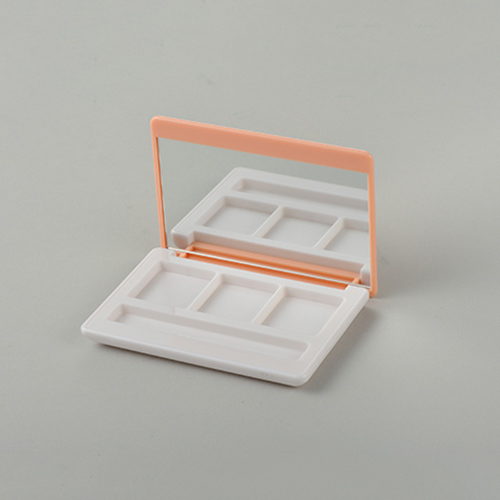
Luxury Cosmetic Cases with Elegant Packaging: Design, Materials, and Market Trends
Industry BackgRound and Market Demand
The global luxury cosmetics market continues to expand, driven by rising disposable incomes and increasing demand for premium beauty products. According to recent market analyses, the sector is projected to grow at a CAGR of 5.5% through 2030. A critical component of this industry is high-end cosmetic packaging, which not only protects products but also enhances brand perception.
Luxury cosmetic cases serve as a key differentiator, combining functionality with aesthetic appeal. Consumers increasingly associate premium packaging with product quality, making it a decisive factor in purchasing decisions. For B2B manufacturers, this translates into a need for innovative designs, superior materials, and sustainable solutions.
Core Concepts: What Defines a Luxury Cosmetic Case?
A luxury cosmetic case must meet three primary criteria:
1. Durability – Ensures product integrity during transit and daily use.
2. Aesthetic Appeal – Aligns with brand identity through refined finishes, textures, and detailing.
3. Functionality – Incorporates user-friendly features such as secure closures, compartments, and ergonomic shapes.
Elegant packaging often employs high-end materials like aluminum, tempered glass, or biodegradable polymers, combined with advanced manufacturing techniques such as CNC machining and vacuum metallization.
Product Structure, Materials, and Manufacturing Processes
1. Material Selection
- Metals (Aluminum, Stainless Steel) – Offer durability and a premium feel; often used in compacts and lipstick cases.
- Glass (Tempered, Frosted) – Provides a high-end look for serum bottles and perfume atomizers.
- Biodegradable Plastics (PLA, PHA) – Gaining traction due to sustainability concerns.
- Wood & Leather – Used in limited-edition packaging for a bespoke appeal.
2. Manufacturing Techniques
- Injection Molding – Common for plastic components; allows intricate detailing.
- Metal Stamping & Engraving – Used for logos and decorative patterns.
- Vacuum Metallization – Applies thin metallic coatings for a reflective finish.
- Laser Etching – Ensures precision branding without compromising material integrity.
Key Factors Affecting Quality and Performance
Several variables determine the longevity and appeal of luxury cosmetic packaging:
- Material Thickness & Weight – Thicker metals or reinforced plastics enhance durability but may increase production costs.
- Seal Integrity – Prevents leakage, especially for liquid-based cosmetics.
- Surface Finishes – Matte, glossy, or textured coatings must resist wear and fingerprints.
- Hinge & Closure Mechanisms – Magnetic clasps or screw-top designs must function smoothly over repeated use.
Supplier Selection and Supply Chain Considerations
B2B buyers evaluating suppliers should prioritize:
1. Certifications – ISO 9001, REACH, and FDA compliance for materials in contact with cosmetics.
2. Customization Capabilities – Ability to produce SMALL-batch, bespoke designs.
3. Sustainability Practices – Use of recycled materials and eco-friendly production methods.
4. Lead Times & Logistics – Reliable delivery schedules to avoid delays in product launches.
Common Challenges and Industry Pain Points
Despite advancements, several issues persist:
- Cost vs. Sustainability Dilemma – Eco-friendly materials often come at a premium, impacting margins.
- Counterfeit Risks – Luxury brands must invest in anti-counterfeiting measures like holograms or RFID tags.
- Regulatory Compliance – Varying international standards for packaging materials complicate global distribution.
Applications and Industry Use Cases
Luxury cosmetic cases are utilized across multiple segments:
- Skincare – Airless pumps for serums to prevent oxidation.
- Makeup – Magnetic compacts for eyeshadows and blushes.
- Fragrances – Heavy glass bottles with intricate caps for premium perfumes.
Brands like Chanel and Dior leverage custom packaging to reinforce exclusivity, often collaborating with specialty manufacturers for limited editions.
Current Trends and Future Outlook
The industry is evolving in response to consumer demands:
- Smart Packaging – NFC-enabled cases for authenticity verification and product information.
- Modular Designs – Interchangeable components to reduce waste.
- Biodegradable Innovations – Mushroom-based mycelium and algae-derived plastics are emerging alternatives.
As sustainability regulations tighten, manufacturers must balance luxury aesthetics with environmental responsibility.
FAQ: Common Questions on Luxury Cosmetic Packaging
Q: What materials are most sustainable for high-end cosmetic cases?
A: Bioplastics (PLA), recycled aluminum, and FSC-certified wood are leading options.
Q: How can brands ensure packaging durability without excessive weight?
A: lightweight metals like aluminum alloys or reinforced polymers offer strength without bulk.
Q: What anti-counterfeiting measures are effective?
A: Micro-engraving, QR codes, and tamper-evident seals help deter counterfeiters.
Q: Are refillable cosmetic cases gaining popularity?
A: Yes, brands like Guerlain and La Prairie are adopting refill systems to reduce waste.
By integrating advanced materials and sustainable practices, luxury cosmetic packaging will continue to shape consumer perceptions while addressing environmental concerns. For B2B stakeholders, staying ahead of these trends is crucial to maintaining competitiveness in a rapidly evolving market.
Jinhua Xingqiao พลาสติก Industry Co., Ltd.
 - โทรศัพท์มือถือ: +008613868982062
 -โทรศัพท์: +86-579-82196667
 - แฟกซ์: +86-579-82196656
 -อีเมล:sales@zjxqpackaging.com
 - เว็บไซต์:http://www.zjxqpackaging.com
 ที่อยู่: ไม่. 377, ถนน Yongxue, เขตเมือง w U, เมืองจิน, จังหวัด Z Hejiang
ลิขสิทธิ์© 2022 Jinhua Xingqiao พลาสติก Industry Co., Ltd
เว็บไซต์นี้ใช้คุกกี้เพื่อให้แน่ใจว่าคุณได้รับประสบการณ์ที่ดีที่สุดบนเว็บไซต์ของเรา

 English
 Pусский
 한국어
한국어 Indonesia



 โทรศัพท์
ความคิดเห็น
(0)