

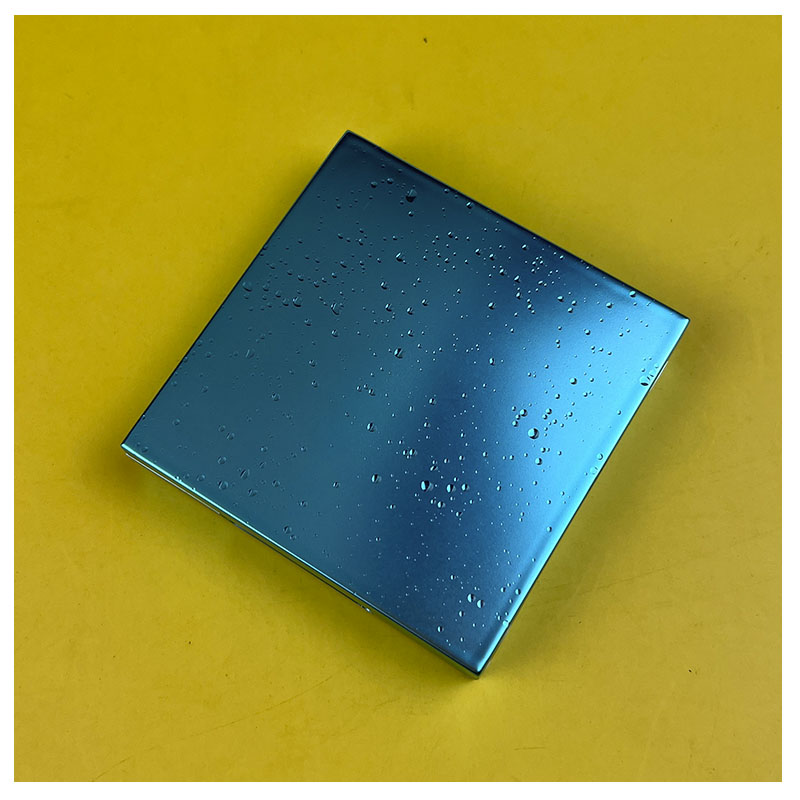
lightweight Cosmetic Case Design: Meeting Modern Market Needs
Industry BackgRound and Market Demand
The cosmetic industry, a multi-billion-dollar market, is constantly evolving to meet consumer needs. With an increasing focus on convenience and portability, lightweight cosmetic cases have become pivotal. Traditional cosmetic cases, while often aesthetically appealing, can be cumbersome. Today’s consumers demand designs that combine elegance with practicality, emphasizing the need for lightweight solutions.
Busy lifestyles and a robust travel industry fuel the demand for compact and lightweight cosmetic cases. Professionals on-the-go, frequent travelers, and even minimalists seek solutions that allow seamless integration into their daily routine without sacrificing style or functionality. Therefore, understanding the core principles of lightweight cosmetic case design is crucial for manufacturers aiming to capture this burgeoning market segment.
Core Concepts and Key Technologies
Designing a lightweight cosmetic case involves more than just reducing weight. It encompasses the art of balancing durability, aesthetics, and user experience. The concept of lightweighting is key here, which involves using materials and engineering techniques to shed unnecessary mass while maintaining strength and functionality.
Modern manufacturing techniques, like injection molding and extrusion, are critical. These allow the use of advanced polymers and composites that reduce weight. For example, high-density polyethylenes and polypropylene offer excellent toughness and are extensively used in creating lightweight cases.
Product Structure, Performance, Materials, and Manufacturing Process
The structure of a lightweight cosmetic case typically involves a multi-layered approach where different sections are optimized for specific functions. Dividers and pouches inside the case need to be engineered to be both flexible and robust. Performance characteristics such as impact resistance and waterproofing cannot be compromised as they directly affect the product’s usability.
Materials: The selection of materials is paramount. Composite materials, for instance, provide the necessary durability while being significantly lighter than traditional metals or rigid plastics. Thermoplastic elastomers (TPE) are popular due to their blend of plastic and rubber properties, offering both flexibility and rigidity.
Manufacturing Process: The manufacturing process embraces lean principles, focusing on minimal waste and efficient material usage. Injection molding is particularly useful, allowing intricate designs and minimizing material overuse. CNC machining might be employed for precise component shaping, enhancing the product’s structural design without unnecessary bulk.
Key Factors Influencing Quality and Performance
1. Material Quality: Superior grade materials ensure longevity and reliability. Material testing for tensile strength and elasticity is crucial.
2. Design and Ergonomics: The case must cater to various cosmetic products, with compartmentalization that enhances usability while remaining compact.
3. Manufacturing Precision: Tolerances must be strictly maintained. Even minor deviations can lead to structural weaknesses or aesthetic flaws.
4. Weight Distribution: An optimal weight distribution prevents the case from being unbalanced, ensuring ease of handling.
Supply Chain Considerations and Supplier Selection Criteria
When selecting suppliers for lightweight cosmetic case production, companies should consider quality assurance certifications such as ISO 9001 and ISO 14001 for environmental management. Suppliers should demonstrate a proven track record in working with advanced materials and provide flexibility in production to accommodate scale variances.
Key criteria include:
- Consistency in material quality
- Capacity for innovation and prototype development
- Geographical proximity to reduce lead times and transportation costs
Common Issues and Industry Challenges
The development of lightweight cosmetic cases isn’t without challenges. A frequent issue is achieving the right balance between weight savings and structural integrity. Some manufacturers face hurdles in sourcing materials that meet both aesthetic and technical requirements. Moreover, consumer expectations for both quality and sustainability are continually rising, pushing the industry to adapt quickly.
Application Scenarios and Use Cases
Lightweight cosmetic cases have diverse applications. In the travel industry, cabin-approved cases are imperative for frequent flyers. Fashion professionals utilize these cases during events and shows, enjoying easy portability without sacrificing the security of their high-end cosmetic products. Cases designed for specific niches, like outdoor use, focus on waterproofing and durability for adventurous travelers.
Current Trends and Future Development
The cosmetic industry is witnessing a shift towards smart and connected solutions. The future of lightweight cosmetic case design may well include embedded technology, such as RFID tags for inventory management or even integrated solar-powered LED lights. Additionally, the trend toward sustainability is urging designers to explore recyclable materials and eco-friendly production processes.
Future Vision: As technology continues to evolve, so too will the materials and methods used in cosmetic case design. 3D printing and bio-based polymers hold promise for creating custom, lightweight designs that meet specific user needs without ecological compromise.
Conclusion
In conclusion, the design of lightweight cosmetic cases is a multifaceted challenge that requires a blend of innovative materials, precise engineering, and awareness of consumer demand. As the market advances towards more compact and efficient solutions, manufacturers will need to continuously adapt to new trends and technologies to stay competitive. By doing so, they can deliver products that not only meet the present needs of consumers but also contribute positively to the environmental landscape.
Jinhua Xingqiao พลาสติก Industry Co., Ltd.
 - โทรศัพท์มือถือ: +008613868982062
 -โทรศัพท์: +86-579-82196667
 - แฟกซ์: +86-579-82196656
 -อีเมล:sales@zjxqpackaging.com
 - เว็บไซต์:http://www.zjxqpackaging.com
 ที่อยู่: ไม่. 377, ถนน Yongxue, เขตเมือง w U, เมืองจิน, จังหวัด Z Hejiang
ลิขสิทธิ์© 2022 Jinhua Xingqiao พลาสติก Industry Co., Ltd
เว็บไซต์นี้ใช้คุกกี้เพื่อให้แน่ใจว่าคุณได้รับประสบการณ์ที่ดีที่สุดบนเว็บไซต์ของเรา

 English
 Pусский
 한국어
한국어 Indonesia



 โทรศัพท์
ความคิดเห็น
(0)