

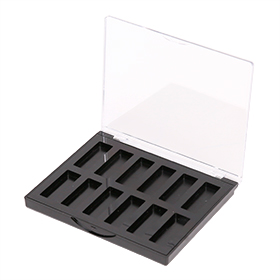
Choosing the right compact powder case is essential for brands, manufacturers, and end users who want a product that is portable, durable, and convenient. This in‑depth guide explains what makes a compact powder case ideal for pocket use and how to optimize specifications, structure, and materials for everyday carry.
A compact powder case is a SMALL, rigid cosmetic container designed to hold pressed powder, two‑way cake, foundation, or finishing powder in a portable format. It usually includes a mirror, a powder pan, and an applicator such as a puff or sponge. The compact case makes on‑the‑go touch‑ups possible while protecting the powder from impact, moisture, and contamination.
A standard compact powder case for pocket use generally consists of:
The question “which compact is best for pocket use” focuses on a specific application scenario: everyday carry in jeans pockets, coat pockets, shirt pockets, and small bags. In such situations, compact powder cases are exposed to mechanical pressure, body heat, friction, and frequent impact. Poorly designed compacts crack, open unintentionally, or make users uncomfortable.
An ideal compact powder case for pocket use should meet the following requirements:
Compact powder cases can be classified by structure, mechanism, and intended formula. Understanding each type helps determine which compact is best for pocket use in a specific context.
The classic single‑layer compact case has one main compartment that houses both the pressed powder and, occasionally, a thin puff resting directly on the powder surface.
A double‑layer compact includes a separate layer or hidden tray for the puff or sponge, typically under or above the pressed pan.
Some compact powder cases are specifically engineered as “slimline” versions where all components are optimized for minimal height, including an ultra‑low aluminum pan and thin mirror.
Refillable compact powder cases incorporate a removable inner pan or cartridge. The user can replace only the pan without discarding the outer case.
While cushion compacts are more common for liquid foundation, some brands adopt similar cases for semi‑solid or hybrid textures. For pure pressed powder intended for pocket use, classic powder compacts are generally thinner and more impact resistant, making them better suited for daily carry.
The choice of material strongly influences weight, durability, appearance, and user comfort. For pocket use, material selection must balance strength and low profile.
| Material | Key Properties | Advantages | Considerations for Pocket Use |
|---|---|---|---|
| ABS (Acrylonitrile Butadiene Styrene) | Rigid, good impact resistance, easy to mold | Durable, affordable, supports many finishes | Suitable for most pocket compacts; thickness can be reduced while keeping strength |
| PP (Polypropylene) | Lightweight, flexible, good fatigue resistance | Resistant to cracking, good hinge life | Ideal for living hinges and light cases; can feel less premium if not decorated |
| PS (Polystyrene) | Rigid, clear options available | Can be Transparent or colored, good surface gloss | More brittle; not always ideal for high mechanical stress in pockets |
| Aluminum | Metallic, strong, light relative to strength | Premium look, good heat dissipation | Needs careful edge finishing; cold or hard feel in tight pockets for some users |
| Zinc Alloy | Very strong, heavy, supports complex forms | Luxurious weight, highly durable | Weight may be uncomfortable in pockets; better for bags than tight clothing |
| Bioplastics / PCR Plastics | Derived from bio sources or recycled content | Supports sustainability claims | Must meet strength and stability targets; testing is essential for pocket use |
When asking which compact is best for pocket use, dimensions are one of the most important factors. A compact powder case that is too large or thick will not be comfortable or practical.
| Parameter | Recommended Range | Notes |
|---|---|---|
| Diameter (round compacts) | 55 – 70 mm | Balances mirror size with pocket comfort. |
| Width x Height (Square/rectangular) | 50 – 65 mm each side | Rounded corners are strongly recommended. |
| Total height (closed) | 10 – 18 mm | Under 15 mm is ideal for slim pockets. |
| Powder pan depth | 3 – 5 mm | Thicker pans increase bulk but hold more formula. |
| Overall weight (including powder & puff) | 25 – 70 g | Under 50 g is most comfortable for long pocket carry. |
For pocket use, the locking system is a crucial factor. A compact powder case that opens accidentally inside a pocket will cause product loss and user dissatisfaction.
| Lock Type | Description | Pros for Pocket Use | Cons for Pocket Use |
|---|---|---|---|
| Snap Closure | Mechanical hook and groove; clicks into place. | Simple, reliable, widely used, audible feedback. | Needs proper tolerance control; if weakened, may open in pocket. |
| Magnetic Closure | Magnets integrated in base and lid align to hold closed. | Smooth operation, premium feel, consistent force. | If magnet is weak, closure may be insufficient for intense pocket movement. |
| Friction Fit | Pressure between parts without defined latch. | No extra components, low cost. | Generally not recommended for pure pocket use due to variable holding force. |
| Button or Slide Lock | User presses a button or slides a switch to open. | Very secure, reduces chance of accidental opening. | Slightly more complex and thicker; higher tooling cost. |
For pocket use, hinges should be designed to avoid protruding elements that may catch on fabric or create discomfort.
Interior organization determines whether the compact powder case stays practical and hygienic in pocket scenarios.
The puff is essential for many pressed powder compacts. For pocket‑optimized designs:
Pressed powder pans can be attached via:
Finishing affects how a compact powder case looks and feels. For pocket use, finishes must resist scratches, fingerprints, and friction.
Decoration typically includes:
All decoration layers must withstand abrasion from fabric friction and hand oils during long‑term pocket use.
Compact powder cases optimized for pocket use bring multiple benefits across the value chain.
The following table summarizes typical technical specifications for a compact powder case designed specifically with pocket use in mind. These values can be adapted according to individual project needs.
| Category | Specification | Target Value / Range | Comments |
|---|---|---|---|
| Dimensions | Outer diameter | 60 mm ± 0.5 mm | Round compact for most ready‑to‑wear pockets. |
| Total height (closed) | 12 mm ± 0.5 mm | Ultra‑slim profile. | |
| Pan diameter | 45 mm ± 0.3 mm | Optimized powder surface area. | |
| Pan depth | 3.5 mm ± 0.3 mm | Provides adequate product volume. | |
| Materials | Outer shell | ABS or ABS/PMMA blend | Good impact resistance and surface quality. |
| Pan | Aluminum | Thin, conductive, suitable for press filling. | |
| Mirror | Acrylic mirror, 0.8 mm | Shatter‑resistant for pocket impact. | |
| Mechanism | Locking type | Front snap closure | Minimum opening force 2.5 N, target 3–4 N. |
| Hinge | Pin hinge, 120° opening angle | Smooth rotation and durability. | |
| Life cycle | ≥ 5,000 open/close cycles | No loss of locking force; hinge intact. | |
| Weight & Capacity | Empty case weight | ≤ 25 g | Ensures comfort for everyday pocket carry. |
| Powder fill weight | 7 – 10 g | Balance between compactness and usage time. | |
| Total weight (filled) | ≤ 40 g | Target for jeans and shirt pockets. | |
| Finish | Surface | Matte or satin UV coating | Better abrasion and scratch resistance. |
| Decoration | Hot stamping logo, 1 color | Abrasion resistance ≥ 500 rub cycles. | |
| Safety & Testing | Drop test | 1.2 m, 6 faces, filled | No breakage or opening during impact. |
| Temperature test | 5°C – 40°C | No deformation, lock function maintained. |
To ensure that a compact powder case truly qualifies as “best for pocket use,” manufacturers typically perform multiple tests.
There is no single universal compact powder case that is always best for pocket use, but the most suitable designs share common characteristics. The best compact for pocket use is typically:
For users who carry compact powder in very tight clothing such as slim jeans, 60 mm diameter and around 12 mm thickness usually offer an effective compromise between usability and comfort. For coats and larger pockets, slightly larger compacts can be used to gain mirror size and product volume.
The following guidelines summarize best practices when designing or selecting a compact powder case for pocket use:
Compact powder cases designed for pocket use can also incorporate sustainable design elements.
Compact powder cases are essential cosmetic packaging components that must combine protection, aesthetics, and usability. When the primary application is pocket use, structural details such as thickness, locking strength, material choice, and surface finish become critical.
The best compact powder case for pocket use is thin, lightweight, and comfortable to carry, while strong enough to protect the powder from impact and environmental influences. By carefully defining specifications such as diameter, height, locking type, and testing standards, brands and manufacturers can deliver compact cases that perform reliably in real‑world daily carry situations.
Whether for mass‑market, premium, or refillable makeup lines, focusing design efforts on pocket ergonomics, safety, and long‑term durability ensures that the compact powder case enhances the overall cosmetic experience for on‑the‑go users.
```
Jinhua Xingqiao พลาสติก Industry Co., Ltd.
 - โทรศัพท์มือถือ: +008613868982062
 -โทรศัพท์: +86-579-82196667
 - แฟกซ์: +86-579-82196656
 -อีเมล:sales@zjxqpackaging.com
 - เว็บไซต์:http://www.zjxqpackaging.com
 ที่อยู่: ไม่. 377, ถนน Yongxue, เขตเมือง w U, เมืองจิน, จังหวัด Z Hejiang
ลิขสิทธิ์© 2022 Jinhua Xingqiao พลาสติก Industry Co., Ltd
เว็บไซต์นี้ใช้คุกกี้เพื่อให้แน่ใจว่าคุณได้รับประสบการณ์ที่ดีที่สุดบนเว็บไซต์ของเรา

 English
 Pусский
 한국어
한국어 Indonesia



 โทรศัพท์
ความคิดเห็น
(0)